

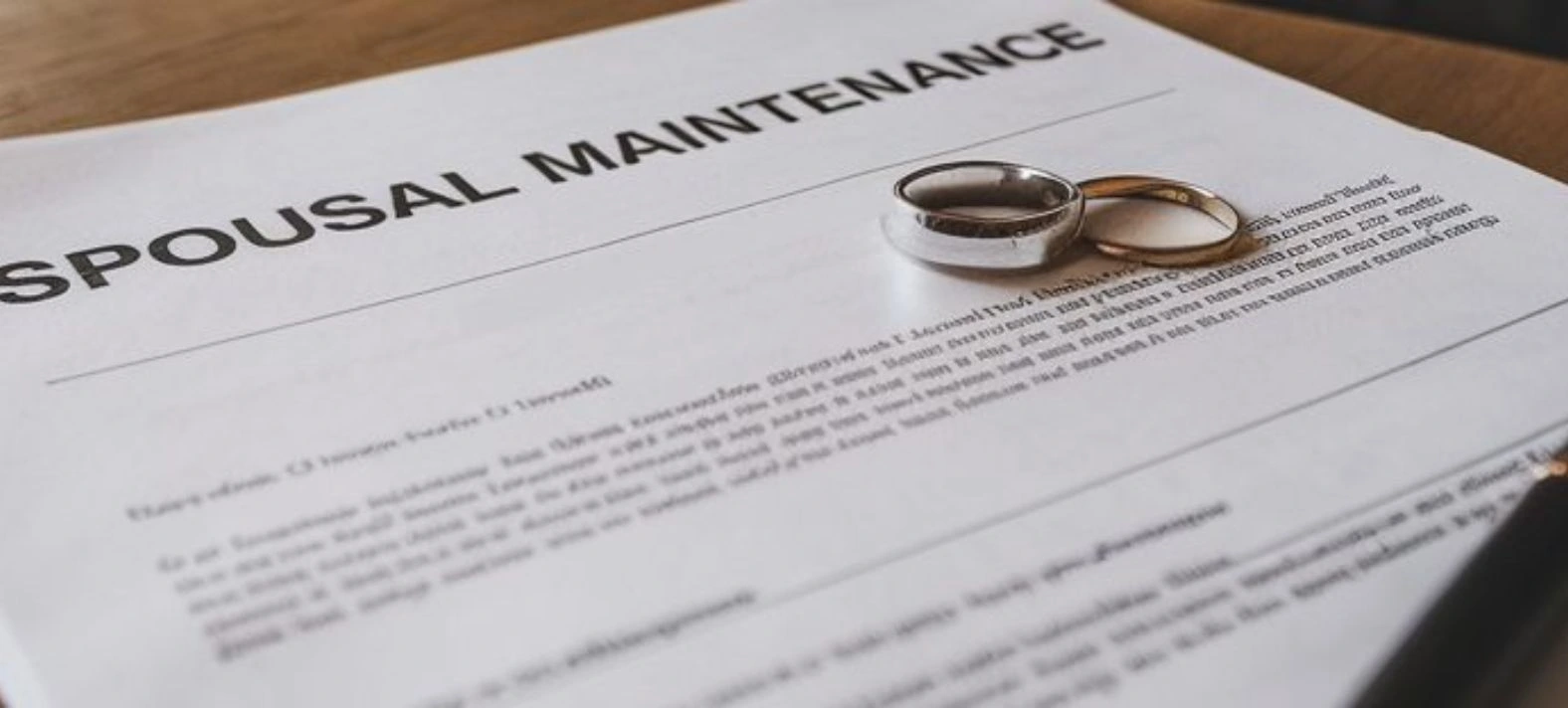
Spousal maintenance is financial support that one spouse may be required to pay to the other during or after a divorce. Spousal maintenance aims to address financial imbalances between spouses and support the spouse with greater financial need. Courts consider several factors when deciding whether to award support, how much to pay, and how long payments should last.
If you are going through a divorce, understanding how spousal maintenance works can help you make informed decisions about your financial future.
This guide explains the basics of spousal maintenance, who may qualify, how courts determine awards, and what steps you can take if support becomes an issue in your case.
What Is Spousal Maintenance?
Spousal maintenance is a court-ordered payment from one spouse to another to provide financial support during or after a divorce. It is designed to help a spouse with fewer financial resources or limited earning capacity maintain financial stability.
Spousal maintenance aims to promote fairness when a divorce creates significant economic disparity between the parties, rather than to penalize either spouse.
Spousal maintenance may also be referred to as:
- Spousal support
- Alimony
- Maintenance
- Marital support
Although the terminology may differ, these terms generally refer to financial support one spouse pays the other after separation or divorce.

Why Do Courts Award Spousal Maintenance?
Courts award spousal maintenance when financial circumstances indicate that one spouse may struggle to meet reasonable needs without assistance.
While each case is unique, the primary objective is to facilitate a spouse’s transition toward financial independence and minimize economic hardship.
1. Financial Stability for a Lower-Earning Spouse
In many marriages, one spouse earns substantially more income than the other. When a divorce occurs, the lower-earning spouse may need financial support to maintain basic living expenses.
2. Support During the Transition to Independence
Some spouses may have spent extended periods outside the workforce raising children or managing household responsibilities. Spousal maintenance can offer temporary financial assistance while the recipient pursues education, training, or employment.
3. Recognition of Contributions Made During the Marriage
Courts often recognize non-financial contributions made during a marriage. For example, a spouse who left a career to care for children may have contributed significantly to the family’s success despite not earning an income.
According to the U.S. Census Bureau, approximately 1.8 million people provided financial support to former spouses or partners through alimony or spousal support, with an average annual payment of nearly $10,000. This data shows that spousal maintenance still plays an important role in helping former spouses meet financial needs after divorce.
Who Qualifies For Spousal Maintenance?
Eligibility for spousal maintenance depends on the circumstances of the marriage and divorce. Courts generally assess whether one spouse has a financial need and whether the other spouse can pay support.
Length of the Marriage
Longer marriages are more likely to result in spousal maintenance awards. A spouse who has been financially dependent for many years may require additional support after divorce.
Income and Earning Capacity of Each Spouse
Courts examine both current income and future earning potential. A significant difference in earning capacity may support an award of spousal maintenance.
Age, Health, and Financial Resources
A spouse’s age, physical condition, and overall financial resources can influence whether support is appropriate. Health issues that limit employment opportunities may be particularly relevant.
Contributions to the Marriage and Household
Courts may consider contributions such as childcare, homemaking, and support that helps the other spouse advance a career or education.
Is A Wife Entitled To Maintenance?
A wife is not automatically entitled to maintenance based solely on marital status. Contemporary family law applies gender-neutral standards when evaluating spousal maintenance requests.
Courts focus on financial circumstances, not gender. Depending on the facts, either spouse may be eligible to receive support.
Courts typically evaluate financial need, earning capacity, and other statutory factors regardless of the requesting spouse’s gender.
A spouse may have a stronger claim for maintenance when they:
- Sacrificed career opportunities during the marriage.
- Have primary childcare responsibilities.
- Suffer from health limitations.
- Need time to obtain education or job training.
- Lack sufficient income to meet reasonable needs.

How Does Spousal Maintenance Work During A Divorce?
Spousal maintenance may be awarded during divorce proceedings or after a divorce becomes final. The specific type of support depends on the circumstances of the case.
Temporary Spousal Maintenance During Divorce Proceedings
Temporary maintenance provides support while a divorce is pending. Divorce cases can take months, or even longer, to resolve, and temporary support helps ensure basic financial needs are met during that period.
Temporary orders may address:
- Housing expenses
- Utilities
- Food costs
- Insurance
- Other necessary living expenses
Post-Divorce Maintenance Awards
Post-divorce maintenance begins after the divorce is finalized. Depending on the circumstances, support may continue for a limited period or, in some cases, longer.
Courts frequently structure maintenance awards to encourage the receiving spouse to become self-supporting when feasible.
How Is Spousal Maintenance Calculated?
Many people ask whether a standard formula determines support. The answer depends on the laws of the state where you file for divorce.
Some states use guidelines or formulas, while others give judges broad discretion when determining appropriate support amounts.
1. Income, Assets, and Financial Obligations
Courts commonly evaluate:
- Gross income
- Net income
- Assets and investments
- Debts and liabilities
- Monthly expenses
- Child support obligations
This information helps the court determine both need and ability to pay.
2. Standard of Living During the Marriage
Courts often consider the lifestyle established during the marriage. While maintaining the exact same standard of living may not always be possible after divorce, it remains an important factor.
3. Employment Opportunities and Future Earning Potential
The court may examine whether a spouse can reasonably become self-supporting through employment, education, or training.
4. Understanding a Spousal Maintenance Calculator
Online spousal maintenance calculators may provide rough estimates of potential support obligations. However, these tools cannot account for all the factors a judge considers.
A calculator may offer general guidance, but actual awards often depend on facts unique to each case, including financial circumstances, family responsibilities, and state-specific laws.
How Long Does Spousal Maintenance Last?
The duration of spousal maintenance varies widely depending on the facts of each case.
Some awards are intended to be temporary, while others may continue longer when circumstances justify ongoing support.
Factors Affecting the Duration of Maintenance
Courts may consider:
- Length of the marriage
- Financial need
- Employment opportunities
- Age and health
- Educational requirements
- Ability to become self-supporting
Situations That May Justify Long-Term Support
Longer-term maintenance may be appropriate when:
- A marriage lasted many years.
- A spouse has significant health challenges.
- Employment opportunities are limited.
- A spouse cannot reasonably achieve financial independence.
Can Spousal Maintenance Be Modified or Terminated?
Spousal maintenance orders are not always permanent. Depending on applicable law, courts may modify or terminate support when circumstances change substantially.
- Significant Changes in Income or Employment- job loss, career changes, or major income increases may justify reviewing an existing support order.
- Remarriage or Cohabitation – A recipient’s remarriage or cohabitation may affect maintenance obligations. Certain jurisdictions may also consider cohabitation when evaluating whether support should continue.
- Retirement, Disability, or Other Major Life Changes – Retirement, disability, or other significant life events may provide grounds for seeking modification or termination of support.
What Mistakes Should You Avoid When Seeking Spousal Maintenance?
Avoiding common mistakes can improve the likelihood of a favorable outcome when pursuing or responding to a maintenance request.
- Failing to Document Financial Information -accurate financial records are essential. Missing documentation can make it difficult to establish income, expenses, or financial need.
- Overlooking Future Financial Needs – many people focus only on current expenses. It is also important to consider future housing costs, healthcare expenses, education, and retirement planning.
- Ignoring Court Orders and Deadlines – failing to comply with court requirements can harm your case and lead to avoidable complications.
How Can You Prepare For A Spousal Maintenance Request?
Thorough preparation for a spousal maintenance request can strengthen your case and help prevent unnecessary delays. The following steps are recommended.
Step 1: Gather Financial Documents
Collect important records, including tax returns, pay stubs, bank statements, and information about your assets and debts.
Step 2: Create a Monthly Budget
List your monthly expenses, such as housing, utilities, groceries, transportation, and healthcare costs.
Step 3: Document Your Income and Employment History
Prepare information about your current income, work history, education, and earning capacity.
Step 4: Collect Evidence of Financial Need
Gather documents that support your request, such as medical records, childcare responsibilities, or proof of time spent out of the workforce.
Step 5: Complete the Application for Spousal Maintenance
Carefully complete all required forms and provide accurate financial information to support your request.
Step 6: Speak With a Family Law Attorney
An experienced family law attorney can clarify your options, help prepare your case, and protect your interests throughout the process.
How Can Dahl Family Law Help With Spousal Maintenance Matters?
Spousal maintenance disputes can significantly affect your financial future. Whether seeking support or responding to a maintenance request, you need experienced legal guidance to protect your interests.
Dahl Family Law assists clients with a broad range of family law matters, including divorce, spousal maintenance, child custody, and property division. The team evaluates each case, explains legal options, negotiates support agreements, and provides courtroom advocacy when needed.
FAQs About Spousal Maintenance
1. Can A Stay-at-Home Spouse Receive Spousal Maintenance?
Yes. A stay-at-home spouse may qualify for spousal maintenance if they need financial support and meet the requirements under applicable state law.
2. Can A Spousal Maintenance Order Be Modified?
In many cases, yes. Courts may modify a spousal maintenance order when circumstances change significantly, such as a job loss or a substantial income change.
3. Does Spousal Maintenance End If The Receiving Spouse Remarries?
It can. Depending on state law and the terms of the court order, remarriage may terminate spousal maintenance.
Conclusion
Spousal maintenance represents a significant financial consideration in many divorce cases. Courts assess factors such as financial need, earning capacity, the duration of the marriage, and overall circumstances when determining whether support is appropriate.
Understanding the mechanics, calculation methods, and duration of spousal maintenance can help you prepare for the divorce process and support informed decision-making.
For questions about spousal maintenance or legal guidance on divorce or support disputes, consulting an experienced family law attorney can clarify your rights and options. Contact us today.